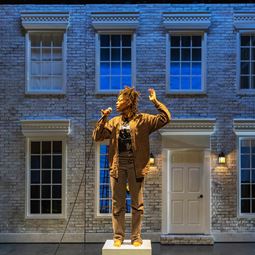
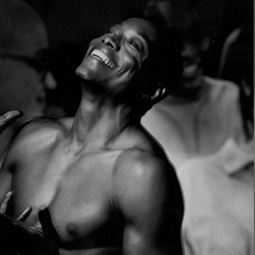
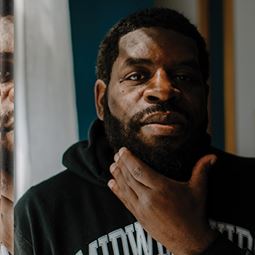
Coinciding with election week, BAM Curator at Large Hanif Abdurraqib celebrates the power of possibility with a new series of poetry events extending throughout BAM’s spaces.
Next Wave 2024 & Emerging Visions
Sep 17, 2024—Jan 19, 2025
Next Wave is where well-known visionaries and trailblazing rebels unleash their groundbreaking creativity onto the world. This year, we plunge into a spectrum of past, present, and in-progress works that perfectly capture the here-and-now. Join us in exploring dynamic, cutting-edge visions and untapped artistic frontiers as we come together to reconstruct, revitalize, and revolutionize creativity.
Prepare to be captivated and transformed as Next Wave 2024 & Emerging Visions sets the stage for an unforgettable journey, altering our perceptions of what art can achieve in the evolving world.
Thank you to our Next Wave 2024 & Emerging Visions season supporters.
Prepare to be captivated and transformed as Next Wave 2024 & Emerging Visions sets the stage for an unforgettable journey, altering our perceptions of what art can achieve in the evolving world.
Thank you to our Next Wave 2024 & Emerging Visions season supporters.
JOIN & SAVE
BAM Members & Patrons receive 20% off tickets through July 31
BAM Members & Patrons receive 20% off tickets through July 31

NOVEMBER
-
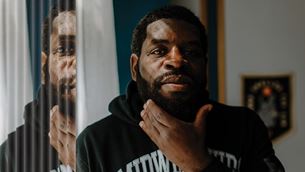 Poetry | Music | Film
I Guess It Was My Destiny To Live So Long
Nov 4—Nov 8, 2024
I Guess It Was My Destiny To Live So Long
Nov 4—Nov 8, 2024 -
 Dance | Music
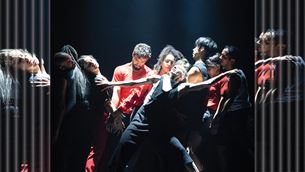
Frontera
Nov 8 & 9, 2024
Frontera
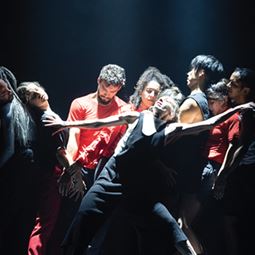
Nov 8 & 9, 2024Next WaveThis large-scale multimedia dance and live music event created by choreographer Dana Gingras for Animals of Distinction explores personal autonomy in a surveillance age.
-
 Theater
Gaviota
Nov 13—Nov 23, 2024
Gaviota
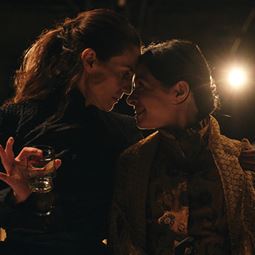
Nov 13—Nov 23, 2024Next WaveThe North American debut of a stripped-down, intimate Spanish-language interpretation of Chekhov’s landmark play, The Seagull. | El estreno Norteamericano de la obra icónica de Chekhov, La Gaviota. Una interpretación íntima y presentada completamente en español.
-

-
 Theater
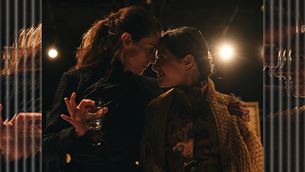
Catarina and the Beauty of Killing Fascists
Nov 13—Nov 17, 2024
Catarina and the Beauty of Killing Fascists
Nov 13—Nov 17, 2024Next WavePortuguese playwright and director Tiago Rodrigues returns to BAM with an audacious, penetrating, and impossibly compassionate work about the sacrifices made in the name of a better world. -
 Music | Film
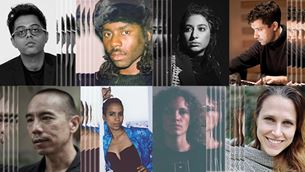
Sun Dogs: Filmmaker and Composer Pairings
Nov 18 & 19, 2024
Sun Dogs: Filmmaker and Composer Pairings
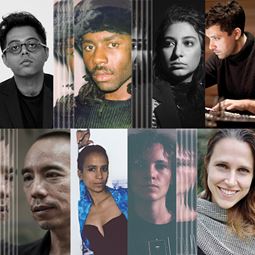
Nov 18 & 19, 2024Next WaveComposers and filmmakers create short-format films and new music for live orchestra, featuring compositions by Arooj Aftab, Devonté Hynes, and more.
-
 Music
MusicAmerican Railroad
Sat, Nov 23, 2024
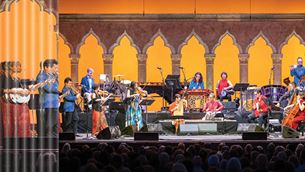
American Railroad
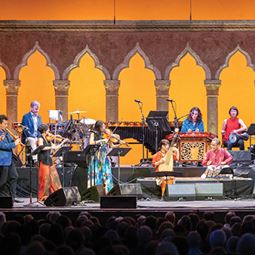
Sat, Nov 23, 2024NEXT WAVERhiannon Giddens and Silkroad highlight the voices, stories, and songs of African American and immigrant laborers who built the Transcontinental Railroad.
-


DECEMBER
-
 Theater | Installation | New Media
Mercedes, Part 1
Dec 3—Dec 8, 2024
Mercedes, Part 1
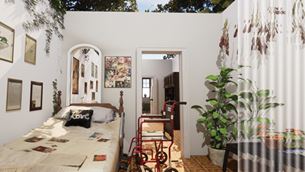
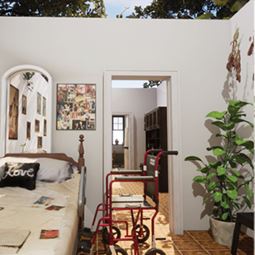
Dec 3—Dec 8, 2024Next WaveThis multidisciplinary documentary, gallery, and healing room installation by Modesto Flako Jimenez honors the grandmother who raised him and illustrates her impact on the Latine community.
-
 New Media | Music
Journey LIVE
Dec 6 & 7, 2024
Journey LIVE
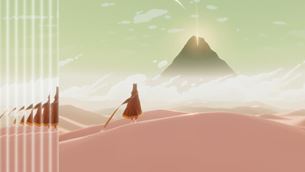
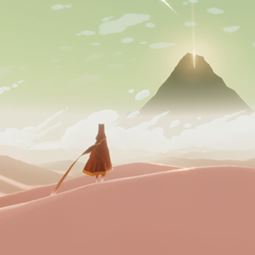
Dec 6 & 7, 2024Next WaveIn an alchemical collision of mediums, live musicians respond to the real-time actions of on-stage gamers as they explore the gorgeous universe within the hit video game Journey.
-
 Dance | Holiday
The Hard Nut
Dec 12—Dec 22, 2024
The Hard Nut
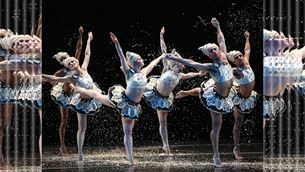
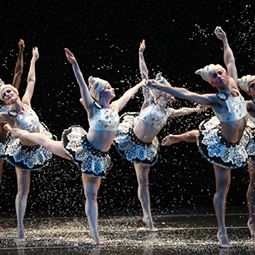
Dec 12—Dec 22, 2024Next WaveMark Morris Dance Group's beloved reimagining of The Nutcracker, a cascade of wit and wintry beauty featuring Morris’ lyrical choreography, playfully preserves the warm spirit of an essential holiday tradition. -

JANUARY
-
 New Media | Installation
TECHNE
Jan 4—Jan 19, 2025
TECHNE
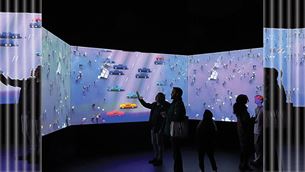
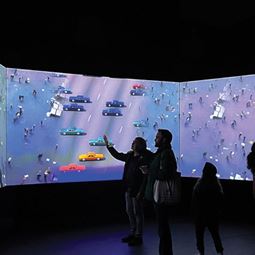
Jan 4—Jan 19, 2025Next WaveTECHNE, a multi-part experience comprising large-scale digital artworks, immerses viewers in realms created with cutting-edge technologies, telling stories of evolution and unlocked potential.
-
MORE
House and Ticket Policies
-
Accessibility
We are committed to making our programming—both virtual and in person—welcoming and accessible to all patrons. Visit our Accessibility page or contact us at accessibility@BAM.org with any questions, suggestions, or for additional information.MORE -
How to Buy
Online
BAM.org
By Phone
Mon—Sat: 12—6pm
Performance Sundays: 12—4pm
BAM Ticket Services: 718.636.4100
BAM Patron Services: 718.636.4182
At the Box Office
Mon—Sat: 12—6pm
Performance Sundays: 12—4pm
PAST EVENTS
-
 Theater | Music
Safety Not Guaranteed
Sep 18—Oct 20, 2024
Safety Not Guaranteed
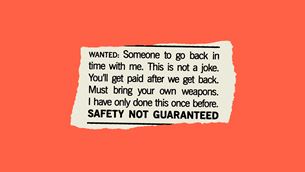
Sep 18—Oct 20, 2024If you could go back in time, what would you change? A journalist out to make her name digs into an outrageous ad in a new indie-rock musical with songs by Guster’s Ryan Miller and a book by Nick Blaemire.
-
 Theater
Reconstructing (Still Working but the Devil Might Be Inside)
Oct 24—Oct 27, 2024
Reconstructing (Still Working but the Devil Might Be Inside)
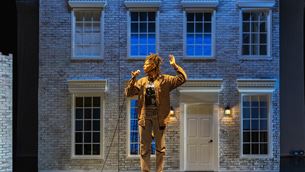
Oct 24—Oct 27, 2024This meta-theater experiment attempts to excavate how, in the aftermath of slavery, we might continue moving through history together.
-
 Music
MusicAndré 3000: New Blue Sun Live In Concert
Oct 25—Oct 26, 2024
André 3000: New Blue Sun Live In Concert
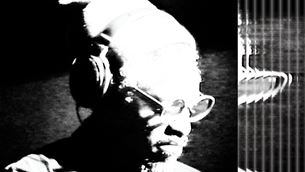
Oct 25—Oct 26, 2024Next WaveThe legendary, multi-talented André 3000 performs his shimmering new album on the opera house stage.
-
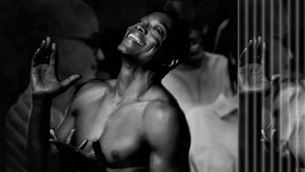 Dance
DanceStill/Here
Oct 30—Nov 2, 2024
Still/Here
Oct 30—Nov 2, 2024Next WaveThirty years after its premiere at Next Wave 1994, the groundbreaking multimedia dance theater work by Bill T. Jones returns to the opera house stage.